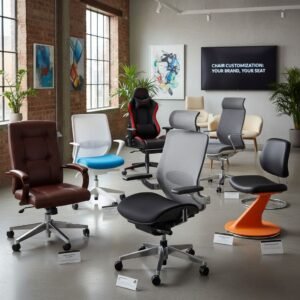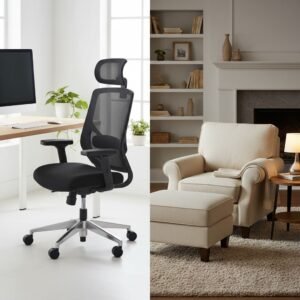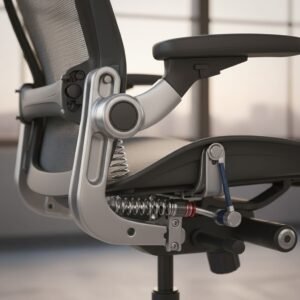
Struggling to meet the needs of every customer with standard-sized chairs? This limits your market reach and leaves money on the table. Big & tall chairs are the solution.
This growing B2B opportunity is driven by clear global demographic shifts. Rising obesity rates and increasing average human heights, especially in Western markets, have created a large and underserved consumer base that requires specialized, durable seating which standard office chairs simply cannot offer.
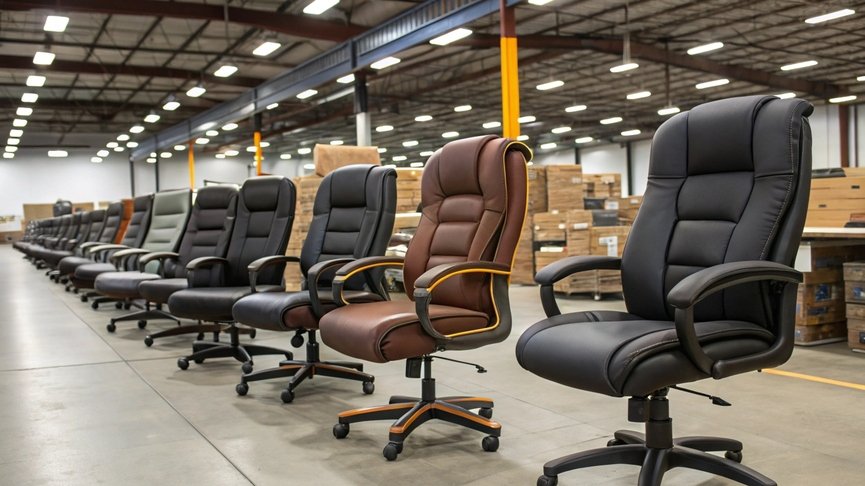
I've been in the chair manufacturing business for over eight years with Ergomakers, and I’ve watched this trend unfold right before my eyes. It’s not just a small niche anymore. It's a significant shift in market demand that presents a real opportunity for growth. Let's look closer at why this is a golden ticket for your business and how you can capitalize on it.
Why Are Standard Office Chairs Failing a Growing Part of the Global Workforce?
Are your customers complaining about chairs that break or wear out too quickly? These issues hurt your brand's reputation and your bottom line. The problem isn't always your quality; it's that standard chairs aren't built for a large portion of today's users.
Standard office chairs are typically tested for a user weighing up to 250 lbs (around 113 kg) and for average heights. With a significant portion of the population in key markets like North America and Europe exceeding these limits, standard chairs fail faster, causing discomfort and safety issues.
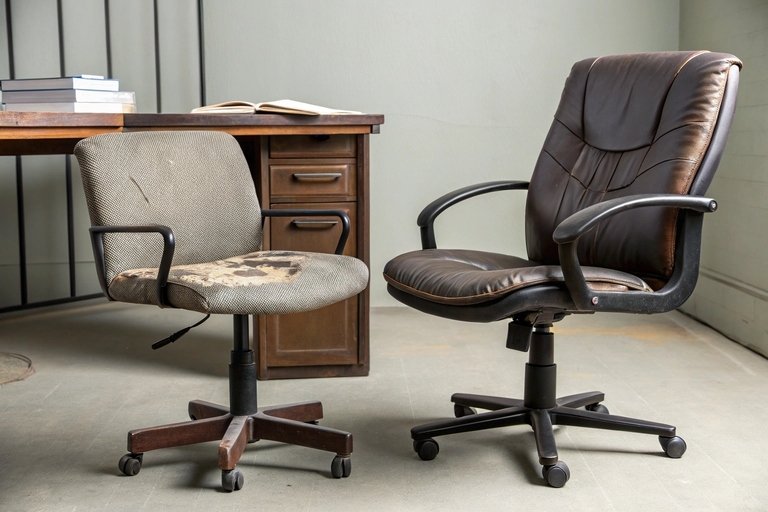
During a business trip to meet a partner in the United States, I noticed something immediately. The average person was simply bigger than the 'standard' user we often design for back in the factory. It’s not a judgment; it's a market reality. This observation is backed by hard data. The demand for larger, more robust furniture is not just a perception, it’s a statistical fact. These consumers aren't just looking for a chair; they're looking for a solution that provides comfort, safety, and durability. Standard chairs, with their limited weight capacities and dimensions, fall short. This creates a cycle of customer dissatisfaction, returns, and lost sales for retailers who don't adapt.
Key Structural Differences
A big & tall chair isn't just a slightly larger version of a standard one. It is engineered differently from the ground up to handle greater stress and provide proper ergonomic support for larger body frames.
| Component | Standard Office Chair | Big & Tall Office Chair |
|---|---|---|
| Weight Capacity1 | Typically 225-250 lbs (102-113 kg) | 350-500+ lbs (158-227+ kg) |
| Frame | Standard materials, plastic or thin steel | Reinforced, heavy-duty steel |
| Gas Lift | Class 2 or 3 Pneumatic Cylinder | Heavy-duty Class 4 Cylinder2 |
| Seat Dimensions | 18-20 inches wide | 22+ inches wide and deeper |
| Base & Casters | Standard nylon or metal base | Larger diameter, reinforced base |
Ignoring this segment is like a shoe store that stops selling sizes above a 10. You're voluntarily cutting off a huge and growing part of your potential market.
How Can You Profitably Enter the Big & Tall Chair Market?
Thinking about adding big & tall chairs to your catalog seems complex and expensive, right? You worry about high minimum orders and uncertain demand. But a strategic partnership can eliminate these risks and open up a new, profitable revenue stream for your business.
The key is to work with an experienced OEM/ODM manufacturer that offers low Minimum Order Quantities (MOQs)3 and flexible production. This allows you to test the market with a small initial investment, mix different models in one container, and scale up as your sales grow.
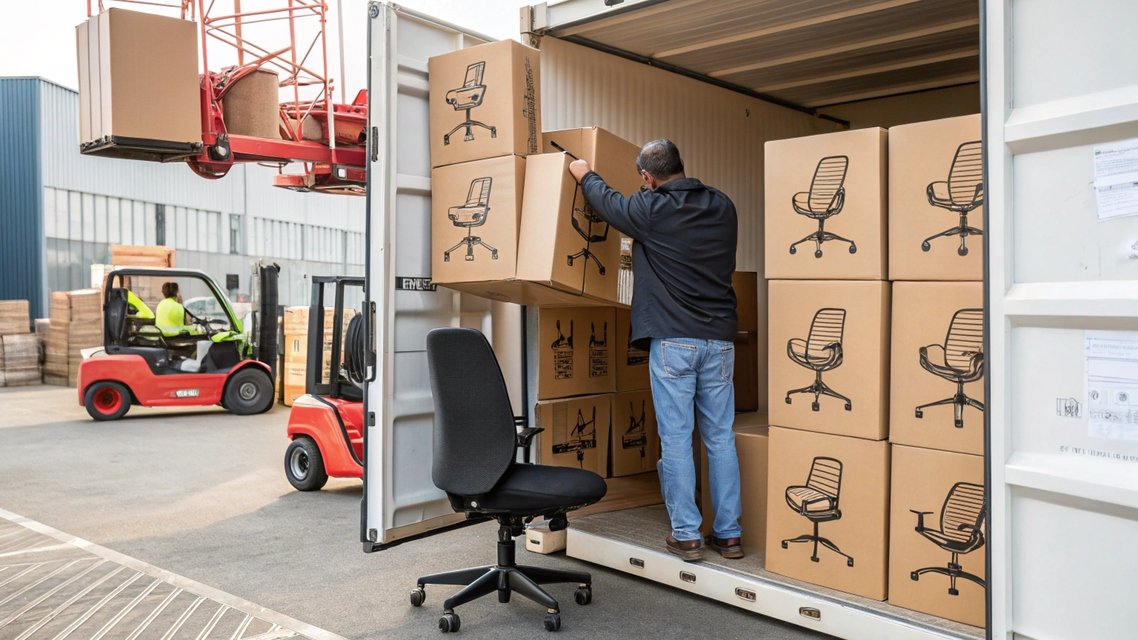
We built our business at Ergomakers specifically to solve this problem for our clients. Many furniture brands and wholesalers want to expand their offerings but are held back by the high MOQs demanded by most large factories. It’s a classic dilemma: you can't prove the demand without the product, but you can't afford the product without proven demand. That's why we offer MOQs as low as 50 pieces. This flexibility is a game-changer. It allows our partners, from large European retail chains to growing online sellers in South America, to add big & tall models to their orders without committing to thousands of units at once.
A Smart Sourcing Strategy
You can mix and match, combining a small run of big & tall chairs with your regular order of best-selling standard chairs. This approach significantly lowers your risk and optimizes your container space and shipping costs.
Here is a simple breakdown of how this strategy works:
- Identify Your Core Models: Start with your proven best-sellers.
- Select a Test Model: Choose one or two big & tall chair designs that complement your existing line.
- Place a Mixed-Model Order: Work with us to combine your core models and test models into a single container. For example, you could fill 80% of the container with your usual chairs and 20% with the new big & tall models.
- Market and Measure: Launch the new chairs to your customer base and closely track sales and feedback.
- Adjust and Scale: Based on the results, you can adjust the models, features, or order quantities in your next shipment.
This iterative process empowers you to respond directly to market needs without taking on massive inventory risk.
What Features and Certifications Are Essential for Big & Tall Chairs?
Selling big & tall chairs carries a higher responsibility for safety and quality. If a chair fails, it’s not just an inconvenience; it can cause serious injury. This makes customers understandably cautious, and it makes third-party certifications non-negotiable for building trust and ensuring market access.
For big & tall chairs, essential features include reinforced steel frames, Class 4 gas lifts, and wider, deeper seats. Crucially, look for BIFMA certification4. This international standard verifies the chair's safety, durability, and structural integrity under heavy use, giving your customers peace of mind.

I can't stress this enough: certifications are your passport to market entry and brand credibility. A few years ago, we had a potential client who wanted to source a low-cost big & tall chair. They pushed us to cut corners on materials to lower the price, but we refused to produce a chair that wouldn't pass BIFMA testing. They ended up sourcing from another supplier. Six months later, they came back to us. Their cheap chairs were failing, leading to negative reviews and a potential lawsuit. They learned a hard lesson: when it comes to big & tall seating, safety is not the place to save money.
Your Quality Assurance Checklist
When you are sourcing these chairs, you need to be very specific about the components. Don’t just ask for a "heavy-duty chair." Use a checklist to verify the quality and specifications.
- Gas Lift: Is it a certified Class 4 pneumatic cylinder? This is the highest standard and is designed for heavy-duty use.
- Base: Is the base made of reinforced steel or a large-diameter, high-strength aluminum alloy, not just standard nylon?
- Frame: Is the chair's internal frame constructed from heavy-gauge steel?
- Mechanism: Does the tilt and height mechanism feel robust and operate smoothly under load?
- Upholstery & Foam: Is the foam high-density to prevent it from flattening quickly, and is the upholstery (whether fabric or PU leather) durable and well-stitched?
- Certifications: Can the manufacturer provide valid BIFMA, CE, or RoHS certificates for the model?
As your manufacturing partner, we ensure every big & tall chair we produce meets these standards. We have over 8 years of experience and a monthly capacity of 100,000 chairs, so we can deliver certified quality at a scale and price that keeps you competitive.
Conclusion
The growing demand for big & tall office chairs is a clear and profitable opportunity. Partnering with a flexible manufacturer is the key to tapping into this expanding B2B market successfully.
Understanding weight capacity helps you select chairs that meet safety standards and customer expectations, reducing liability. ↩
Find out why this component is vital for performance and reliability, ensuring your chairs stand up to heavy use. ↩
Discover how flexible ordering can help you test new markets and reduce financial risk when expanding your product line. ↩
Certification builds trust and ensures compliance with international safety standards, protecting your brand and customers. ↩