Importing massage and heated office chairs can be tricky if you are not familiar with global trade practices. Many buyers lose money or face delays because they skip essential steps.
To import massage and heated office chairs successfully, you must choose verified suppliers, prepare the correct documentation, comply with local regulations, calculate import taxes, plan logistics carefully, and inspect product quality before shipment.
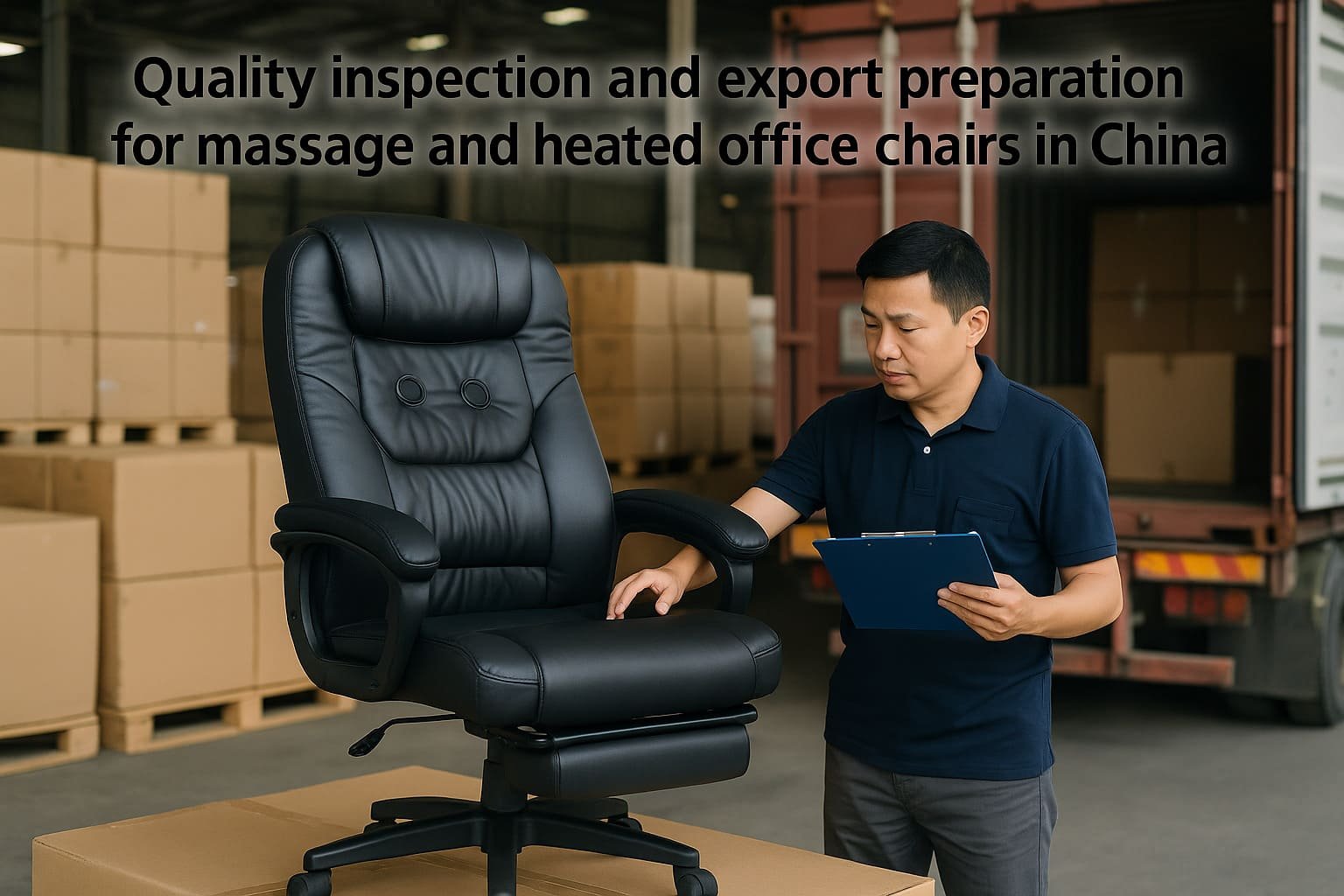
When I started sourcing heated and massage chairs from China, I learned that most issues came from incomplete documentation and unreliable suppliers. Once I understood the process and had a reliable inspection plan, my imports became smooth and predictable. Let’s go through the six key things every buyer should know.
1. How Do You Choose Verified Suppliers?
Finding a trustworthy supplier is the first and most important step. Many factories look professional online, but not all are reliable.
Always verify your supplier’s legitimacy by checking business licenses, certifications, and conducting audits or third-party inspections before payment.

In my early days, I once sourced from an unverified factory that promised fast delivery and low prices. The chairs arrived late, and the heating system didn’t work. After that, I only worked with factories listed on Alibaba, Global Sources, or Made-in-China — but even then, I demanded proof. Here’s what I usually check:
| Verification Step | Description | Why It Matters |
|---|---|---|
| Factory Audit | On-site or virtual inspection | Confirms actual production capability |
| Certification Review | Check BIFMA, CE, RoHS, ISO9001 | Ensures quality compliance |
| Customer Reviews | Check feedback on trade platforms | Detects hidden risks |
| Sample Order | Small test batch | Tests production quality and timeline |
2. What Import Documentation Do You Need?
Paperwork is often overlooked, yet it’s the backbone of smooth customs clearance1.
You’ll need a sales contract, commercial invoice, packing list, bill of lading, and certificate of origin to pass customs without issues.
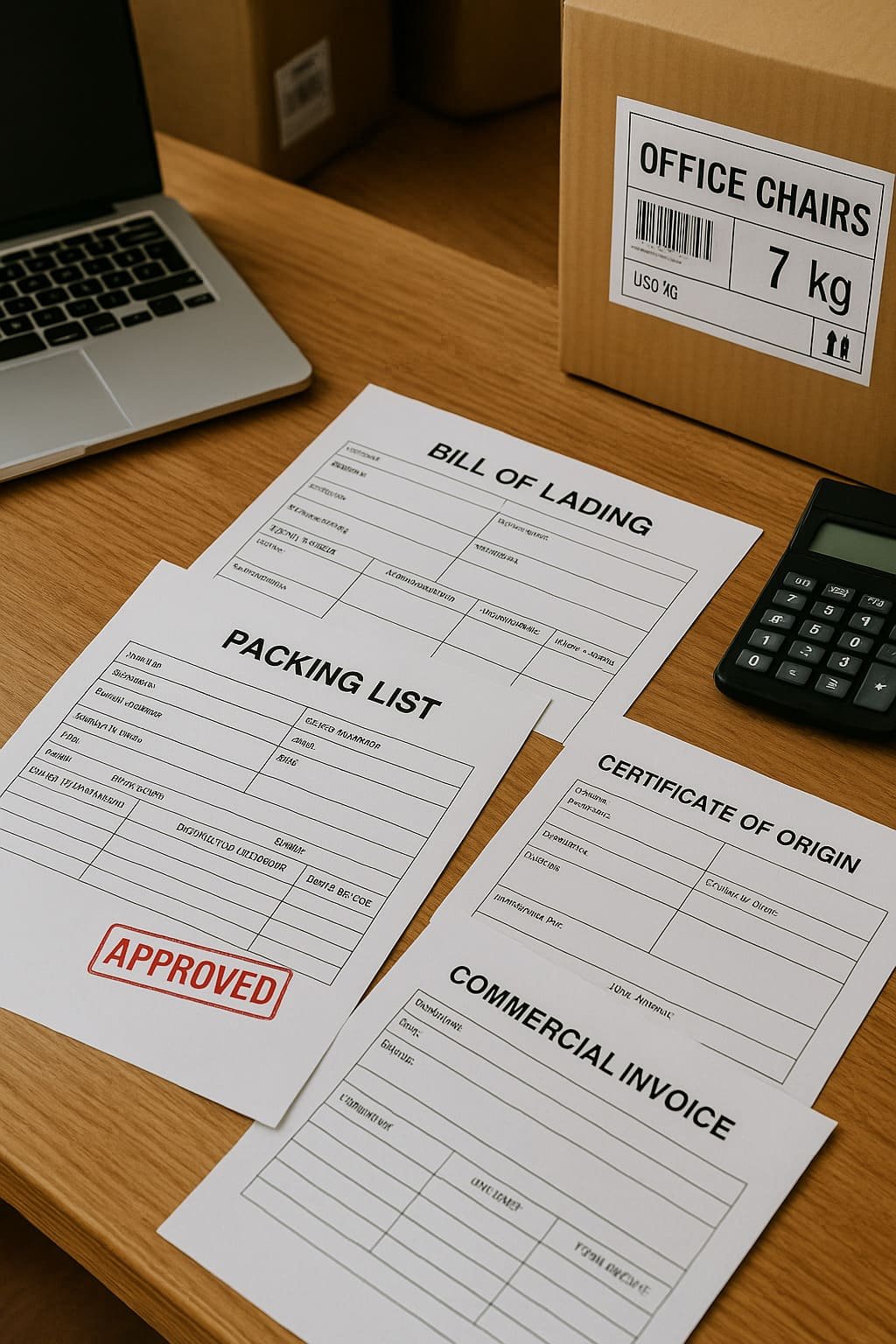
I once had a container held in port for weeks because the HS code2 didn’t match the product description. Now I double-check every code (usually 9402.90.00.00 for massage office chairs). Some countries classify heated chairs as medical equipment, requiring extra paperwork like safety or health certificates. To stay organized, I use a simple checklist:
| Document | Purpose | Issued By |
|---|---|---|
| Sales Contract | Defines transaction terms | Buyer & Seller |
| Commercial Invoice | Declares value & details | Supplier |
| Packing List | Lists quantities & sizes | Supplier |
| Bill of Lading | Proves shipment ownership | Shipping Line |
| Certificate of Origin | Proves manufacturing country | Chamber of Commerce |
3. Do You Comply With Local Regulations and Certifications?
Regulations vary by country, and ignoring them can cause serious delays or fines.
Massage and heated office chairs may require certifications like BIFMA, EN 13353, or ASTM to meet ergonomic and safety standards.
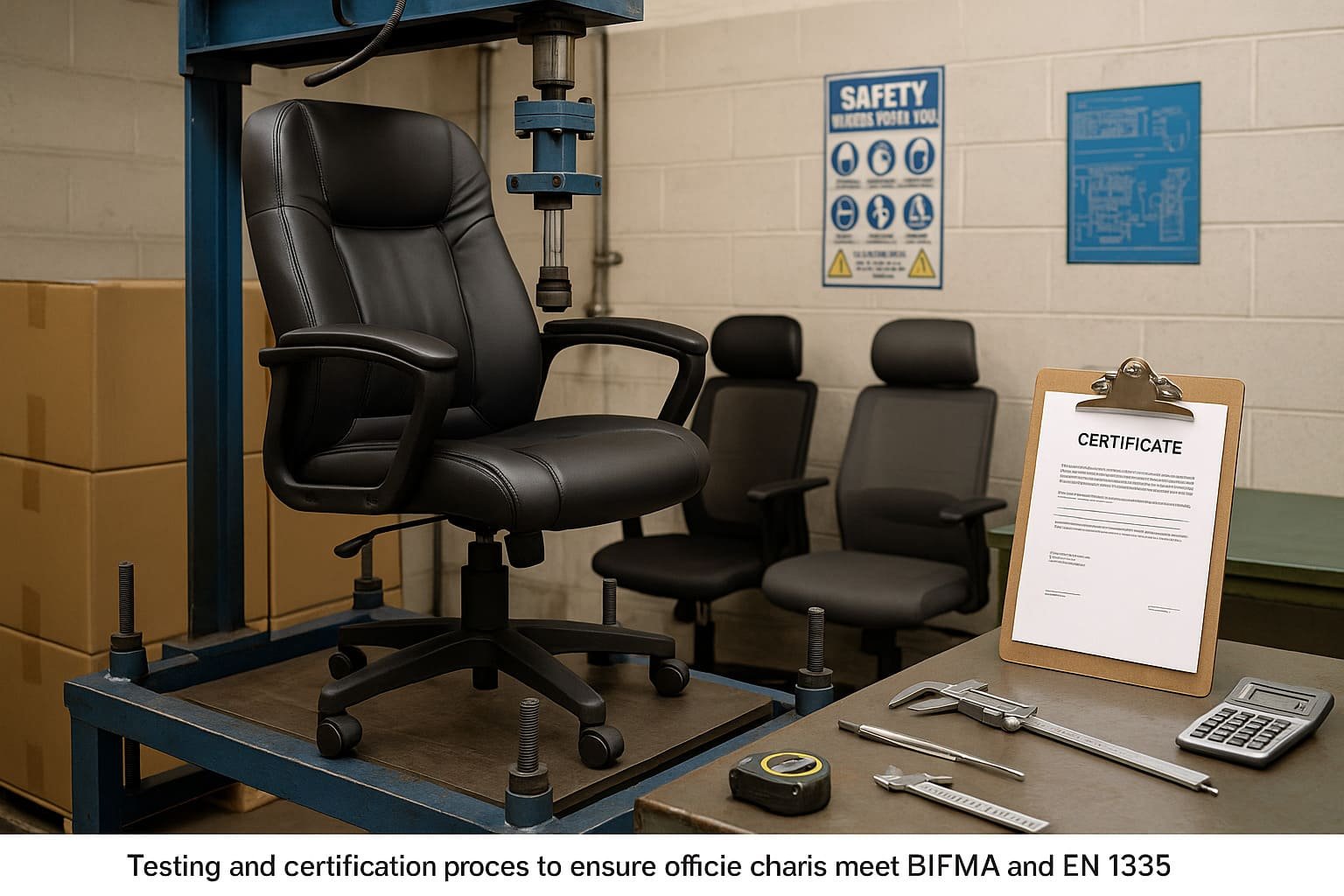
When I first shipped to Europe, customs rejected my goods because the chairs lacked EN 13353 certification. Since then, I always request compliance documents in advance. If the chair offers therapeutic or medical benefits, local health authorities might classify it as medical equipment. That means you’ll need additional testing and clearance.
| Region | Common Standards | Notes |
|---|---|---|
| USA | BIFMA, ASTM | Focus on safety & durability |
| EU | EN 13353, RoHS | Includes chemical and ergonomic compliance |
| UK | BS Standards | Often aligns with EU norms |
| Asia | CCC, ISO9001 | Emphasizes product reliability |
4. How Do You Calculate Duties, VAT, and Taxes?
Import taxes are not just numbers — they can determine your total profit margin.
Massage chairs often face 5–10% import duties plus VAT; knowing trade agreements and certificates can help you reduce these costs.
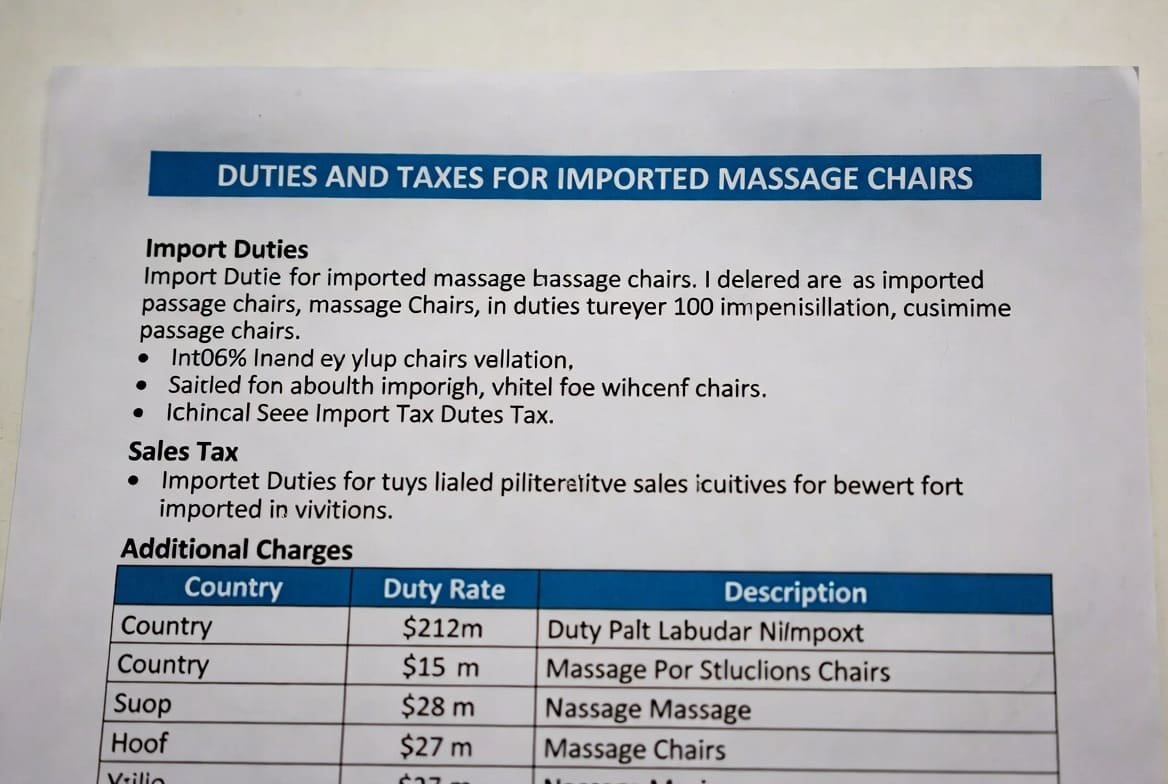
I once saved 12% on import duties by using a proper certificate of origin under a free trade agreement. Understanding local tariffs is critical. Before placing an order, always confirm your chair’s HS code2 and double-check if any exemptions apply. Use customs calculators or consult a local broker.
| Cost Type | Example Rate | How to Reduce |
|---|---|---|
| Import Duty | 5–10% | Check trade agreements |
| VAT | 8–20% | May reclaim if VAT-registered |
| Handling Fees | $50–200 | Compare logistics providers |
| Customs Brokerage | $100–300 | Include in freight quote |
5. How Should You Plan Shipping and Logistics?
Many buyers underestimate how complex international logistics can be.
Sea freight is best for bulk orders, while air freight is faster but more expensive for smaller quantities.
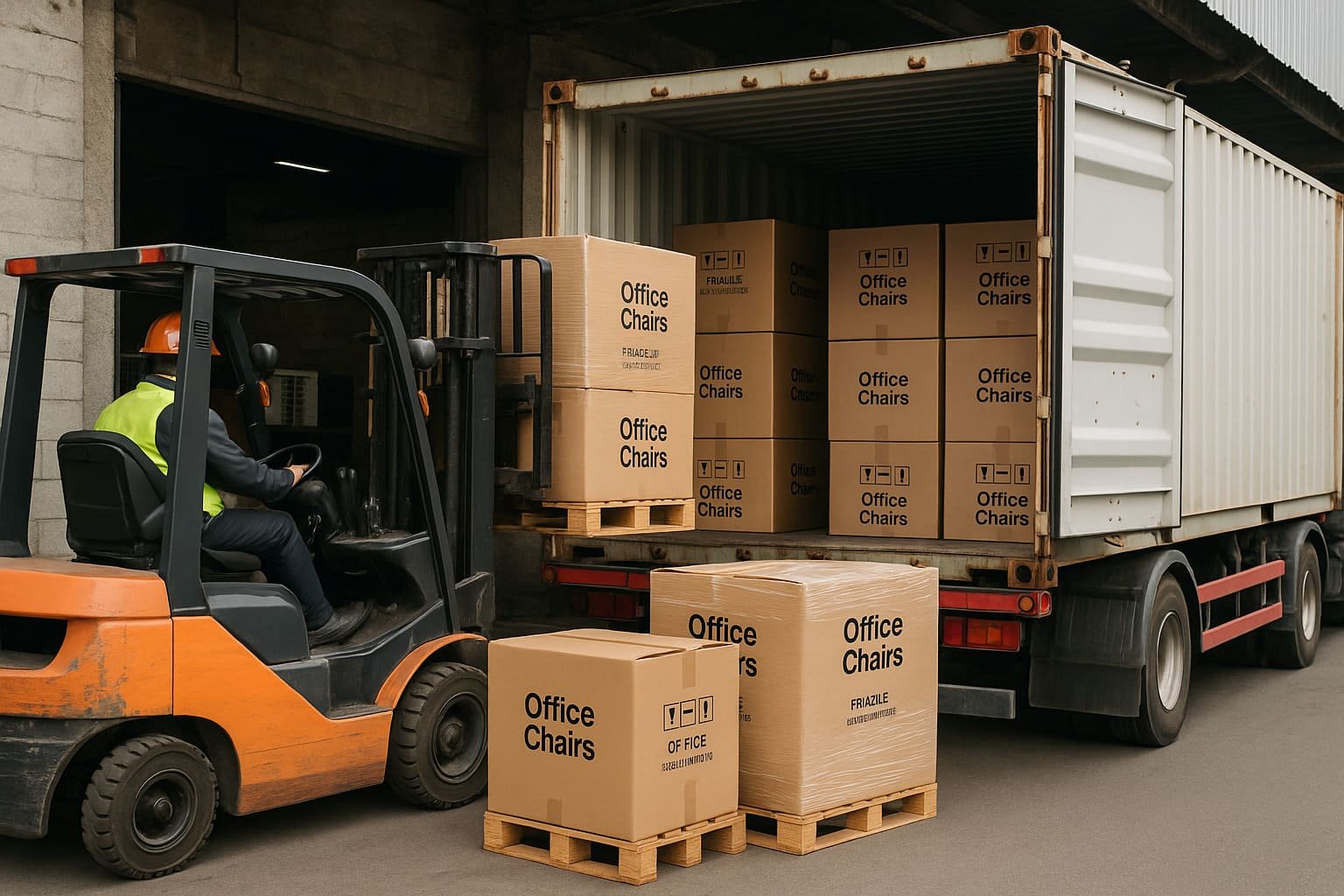
When I imported my first 40HQ container of chairs, I learned that coordinating with a freight forwarder4 early can prevent many problems. Always confirm who handles customs clearance1 — the supplier, the buyer, or the forwarder. Miscommunication here causes most shipment delays.
| Mode | Best For | Transit Time | Cost |
|---|---|---|---|
| Sea Freight | Large shipments | 25–40 days | Low |
| Air Freight | Urgent or small orders | 5–10 days | High |
| Rail Freight | Europe-Asia routes | 15–25 days | Medium |
| Courier (DHL/FedEx) | Samples | 3–7 days | Very High |
6. Why Is Product Inspection and After-Sales Support Essential?
Even good factories can make mistakes. A small defect can ruin your customer’s experience.
Always schedule third-party inspections before and after shipment, and clarify warranty and replacement policies before paying.
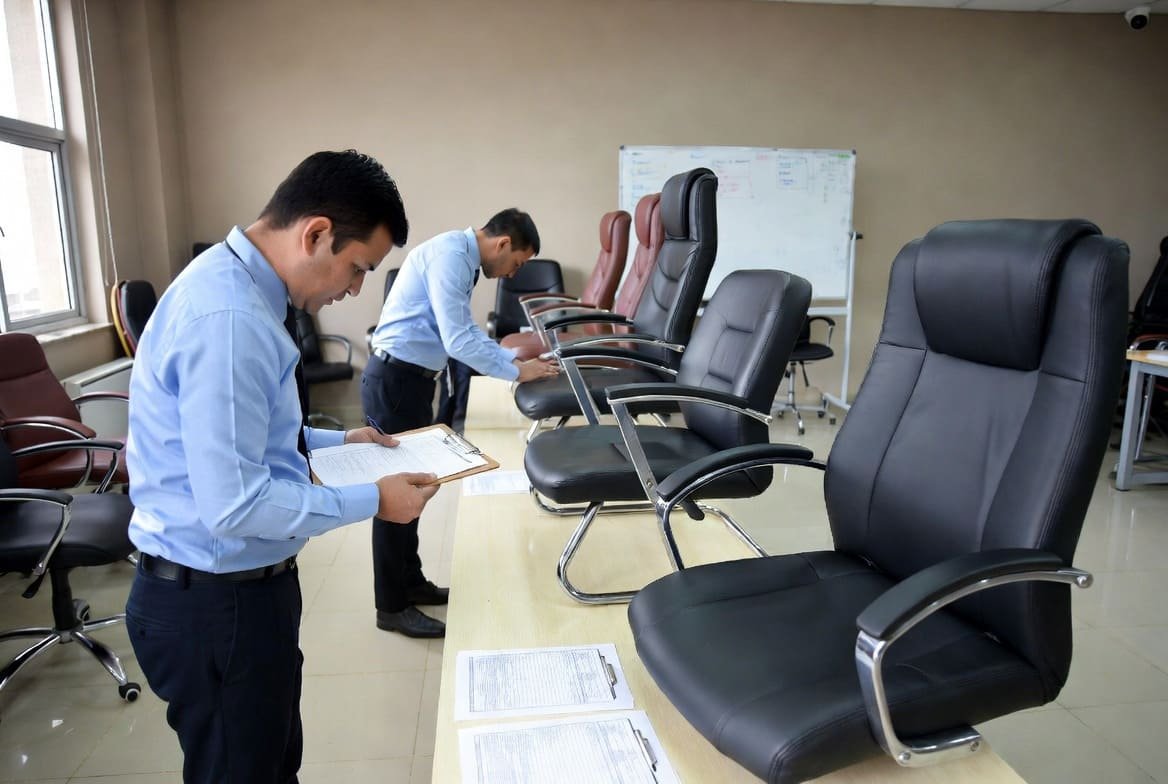
One buyer I know skipped inspection to save $150. Half the chairs arrived with broken massage motors. After that, he always used a trusted inspection agency like SGS or QIMA. Imported products are harder to service, so make sure your supplier provides replacement parts or technical support.
| Inspection Type | When It Happens | Purpose |
|---|---|---|
| Pre-production | Before materials are purchased | Confirms factory readiness |
| During Production | 20–50% finished | Detects process issues early |
| Pre-shipment | Before loading | Ensures final quality |
| Post-arrival | After delivery | Confirms transport safety |
Conclusion
Importing massage and heated office chairs can be smooth if you prepare. Verify suppliers, ensure compliance, plan logistics, and inspect before shipping — that’s how successful importers stay ahead.
Understanding customs clearance is vital for ensuring your shipments arrive on time. ↩
Understanding HS codes is essential for accurate customs declarations and avoiding delays. ↩
Learn about EN 1335 certification to ensure your office chairs meet European ergonomic and safety standards, avoiding costly customs delays or rejections. ↩
This resource will help you select a reliable freight forwarder to avoid shipping complications. ↩